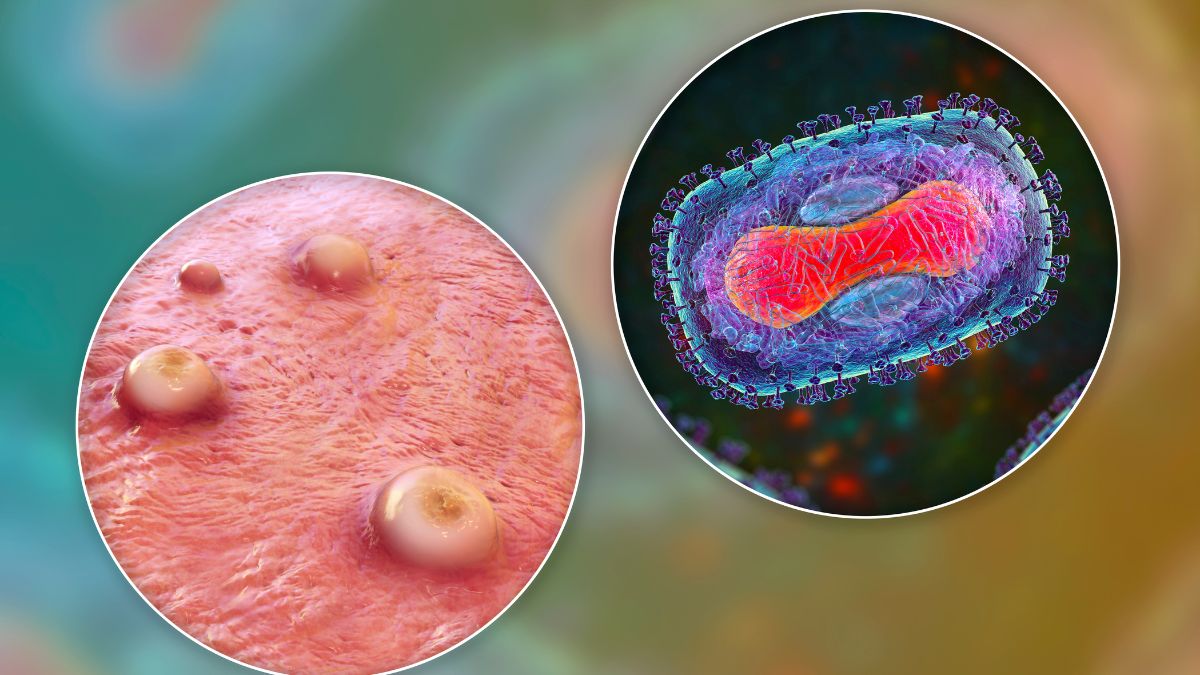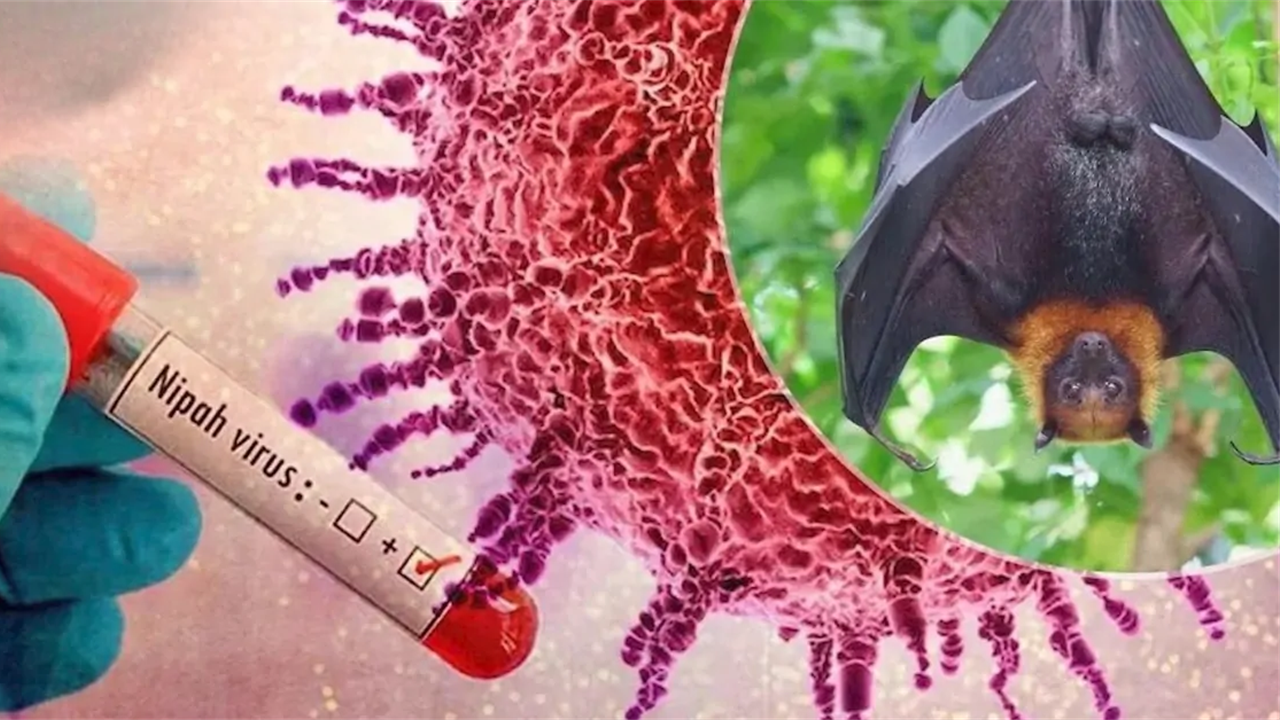
Two Nipah virus cases reported in West Bengal, India (Jan 2026) renewed attention to this high-fatality zoonosis.
What happened in India (Jan 2026)
India reported two epidemiologically linked Nipah virus (NiV) cases in West Bengal, with illness starting in late December 2025 and laboratory confirmation reported in mid-January 2026. Public health teams traced 196 contacts, all of whom were asymptomatic and tested negative, and one of the two patients was reported to be improving while the other remained in critical care at the time of reporting.
WHO’s assessment for this event: moderate risk at the sub-national level, but low risk at national, regional, and global levels, largely because there was no evidence of ongoing transmission beyond close-contact settings and no spread outside India.
What Nipah virus is (and why it’s feared)
Nipah virus is a zoonotic henipavirus that can cause severe disease in humans—classically fever with rapidly progressive neurologic disease (encephalitis) and/or respiratory illness. Across outbreaks, the case fatality rate is often cited around 40–75%, varying by setting and outbreak context. The natural reservoir is fruit bats (“flying foxes”) in the Pteropodidae family. The bats typically do not appear ill but can shed virus that contaminates food or the environment, enabling spillovers to humans or domestic animals.
How transmission happens
- Bat → human (spillover)
- Commonly via food contaminated with bat saliva/urine/feces.
- In South Asia, a well-described route is raw date palm sap contaminated by bats.
- Commonly via food contaminated with bat saliva/urine/feces.
- Bat → domestic animals → human
- In the Malaysia–Singapore outbreak, pigs served as major amplifying hosts, driving large numbers of human infections.
- In the Malaysia–Singapore outbreak, pigs served as major amplifying hosts, driving large numbers of human infections.
- Human → human
- It can occur via close contact, especially in household or healthcare settings.
- Importantly, transmission is generally considered inefficient and typically requires very close contact, one reason sustained international spread is uncommon.
- It can occur via close contact, especially in household or healthcare settings.
Why outbreaks cluster in certain months (Dec–May)
Seasonality is most evident in Bangladesh and parts of India: Outbreaks often occur between December and May, aligning with date palm sap harvesting and related exposure risks.
A quick history snapshot (so the risk framing is accurate)
The first recognized large outbreak occurred in Malaysia (1998–1999), linked to pig farming: ~265 human cases and 105 deaths, with extensive pig culling to stop transmission. Since then, outbreaks and sporadic cases have been reported in Bangladesh, India, Malaysia, Philippines, and Singapore.
So…is Nipah “a pandemic candidate” right now?
Nipah is on WHO’s R&D Blueprint priority list because of its severity and spillover potential, meaning it deserves sustained preparedness and countermeasure development. But pandemic dynamics require efficient, sustained human-to-human transmission. For the current West Bengal cluster, the available evidence supports WHO’s position: low national/regional/global risk, with containment achieved through contact tracing, testing, and isolation—and no positives among a large contact list. In practical terms: high consequence, low probability at global scale under current patterns.
Prevention: what to do to reduce risk?
For communities and travelers in affected regions
- Avoid raw date palm sap; boiling/processing reduces risk.
- Avoid consuming fruits that could be contaminated (e.g., visibly bitten/soiled fruit).
- Hand hygiene remains foundational.
For farms and animal handlers
- Reduce contact between livestock and bat-attracting areas (e.g., fruit trees near animal pens).
- Isolate sick animals; apply farm biosecurity.
For healthcare settings
- Rigorous infection prevention and control (IPC): standard + contact + droplet precautions as clinically indicated, and careful management of exposure to body fluids—because healthcare clusters are a key context where human-to-human spread can occur.
Vaccines and treatments: what’s real in early 2026
- No licensed vaccine or specific antiviral treatment is currently approved for Nipah; care is primarily supportive.
- A major positive development: the University of Oxford launched the world’s first Phase II Nipah vaccine trial (ChAdOx1 NipahB) in Bangladesh in December 2025, evaluating safety and immune response in an endemic-risk setting.
- For therapeutics, the monoclonal antibody m102.4 has published evidence in animal models and has been used on a compassionate-use basis for high-risk henipavirus exposures, but it is not widely approved and remains limited in availability/clinical evidence
Conclusion
Nipah remains a high-fatality zoonosis with recurrent spillovers in parts of South Asia, but global outbreak risk is low when clusters are rapidly detected and contained and when human-to-human transmission remains inefficient. The West Bengal event (two linked cases; 196 contacts negative) fits this pattern—while vaccine development is finally moving into Phase II, preparedness should focus on spillover prevention (especially date palm sap exposure) and strict infection control in healthcare settings.
Source
1. MedicalNewsToday – access February 2026
2. https://www.who.int/emergencies/disease-outbreak-news/item/2026-DON593#:~:text=Cases%20of%20Nipah%20virus%20infection,of%20raw%20date%20palm%20sap.