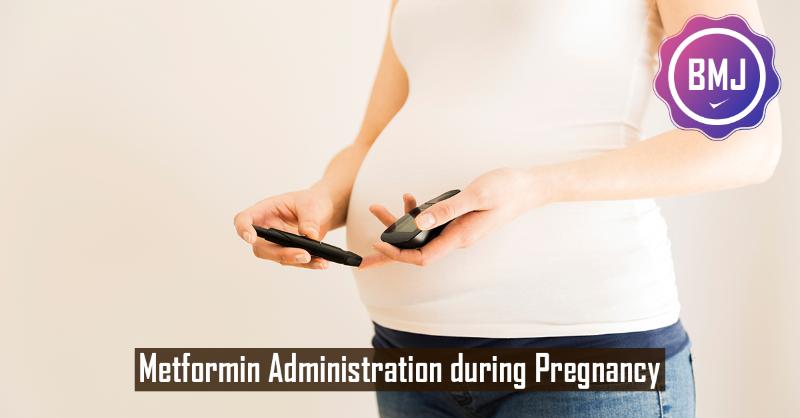
Metformin May Reduce Neonatal Hypoglycemia After Antenatal Corticosteroid Use
Gestational diabetes is a well-established risk factor for neonatal hypoglycemia. However, whether transient maternal hyperglycemia—such as that induced by antenatal corticosteroids—contributes to this risk remains unclear.
Betamethasone, routinely administered to pregnant individuals at high risk of preterm delivery, is known to cause a temporary rise in maternal blood glucose that typically resolves within 48 hours. Notably, antenatal betamethasone exposure has also been associated with higher rates of neonatal hypoglycemia.
In a randomized clinical trial published in January in JAMA Network Open, researchers in Israel investigated whether short-term glycemic control with metformin after betamethasone administration could reduce the incidence of hypoglycemia in premature newborns.
The study enrolled 169 pregnant women without diabetes (mean age 30 years) who received a single course of betamethasone between 24 and 36.5 weeks’ gestation. Participants were treated at three medical centers and randomized to either:
-
Metformin: 425 mg three times daily before meals, plus an evening dose of 850–1700 mg, for 48 hours after betamethasone
-
Standard care: no glucose-lowering intervention
Women receiving metformin had lower mean post-treatment glucose levels compared with controls (121 mg/dL vs 127 mg/dL; P = .01). Importantly, neonatal hypoglycemia occurred less frequently in infants born to mothers in the metformin group (21% vs 40%; P = .04; relative risk 0.53; 95% CI, 0.28–0.99). All infants were delivered after maternal metformin had been discontinued.
“We believe the transient glucose spike may affect fetal pancreatic function, leading to postnatal hypoglycemia,” said lead author Enav Yefet, MD, PhD, Director of Maternal–Fetal Medicine at Tzafon Medical Center, Israel. She emphasized that mechanistic studies and animal models are still needed to confirm causality.
Commenting on the findings, Amy Valent, DO, Medical Co-Director of the Diabetes and Pregnancy Program at Oregon Health & Science University, noted that the study is novel, particularly given the short-term use of relatively high-dose metformin in nondiabetic pregnant women. While thought-provoking, she cautioned that further evidence is required before clinical adoption.
The study also highlights a broader gap in care: the lack of standardized protocols for monitoring glucose levels in nondiabetic pregnant women receiving corticosteroids, a challenge reported by clinicians in both the U.S. and Israel.
Although metformin was chosen for its safety profile and ease of administration, its use in this setting remains off-label, and concerns persist regarding potential long-term metabolic effects in offspring.
Conclusion:
Short-term metformin therapy following antenatal betamethasone may reduce neonatal hypoglycemia in preterm infants, but further research is needed to clarify mechanisms, safety, and clinical applicability.
Source
Can Metformin Protect Premature Babies After Pregnancy Steroids? - Medscape - January 15, 2026.