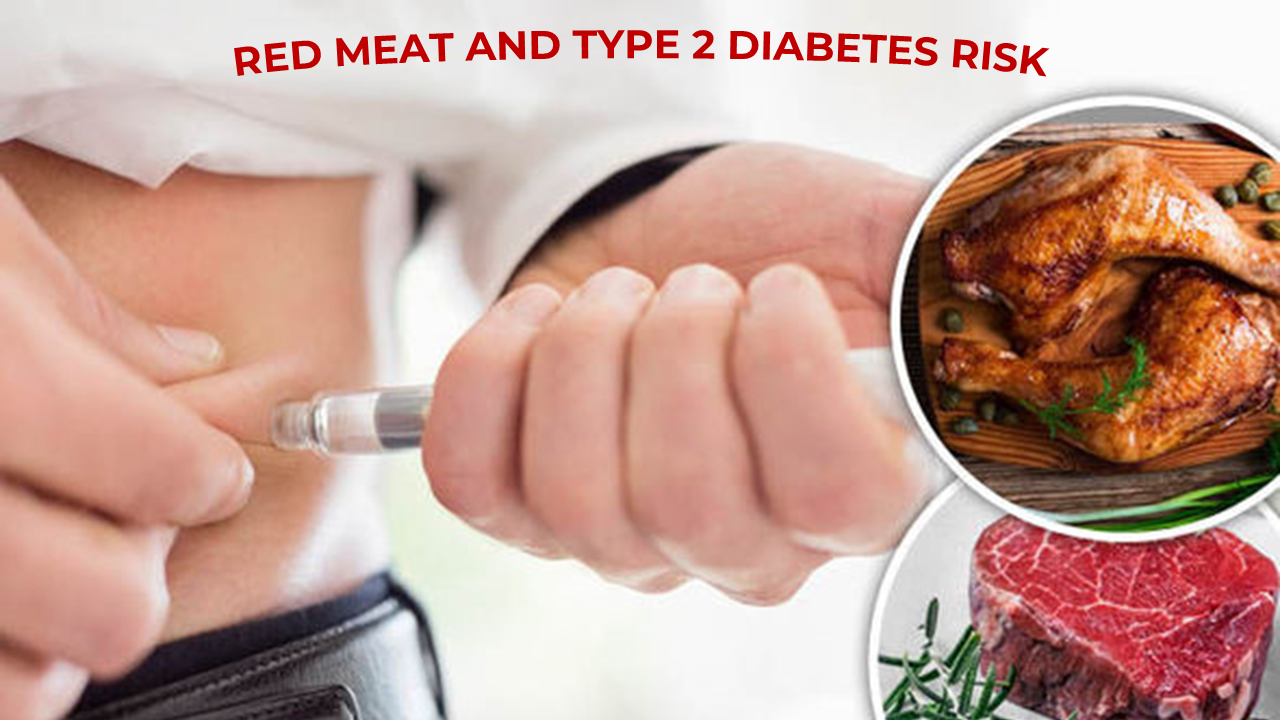
Recent study found that each additional serving of red meat associated with the odds of developing diabetes.
A large analysis of U.S. nutrition data suggests that adults who eat more red meat—especially processed red meat—have higher odds of diabetes, and that replacing red meat with plant-based proteins and other alternatives is associated with lower odds. The findings come from a cross-sectional study using the National Health and Nutrition Examination Survey (NHANES) 2003–2016 and were published in the British Journal of Nutrition.
What the researchers say?
Investigators analyzed dietary and health data from 34,737 U.S. adults in NHANES cycles spanning 2003 to 2016. NHANES is designed to be nationally representative, which helps the results generalize to the broader U.S. adult population. Diabetes status was defined using standard clinical criteria, including: a prior diagnosis, antidiabetic medication use, fasting plasma glucose, and/or HbA1c thresholds.
Red meat intake was examined in three categories:
- Total red meat.
- Processed red meat (e.g., sausages, bacon, cured meats).
- Unprocessed red meat (e.g., beef/pork/lamb cuts not preserved by curing/smoking)
The team adjusted for many potential confounders (demographics, lifestyle factors, and dietary quality indicators). Importantly, they also evaluated whether the associations persisted after accounting for BMI, since obesity is a key driver of diabetes risk.
How much did red meat increase diabetes odds?
The headline result: people in the highest intake group had substantially higher odds of diabetes compared with those in the lowest intake group. After adjustment, the study reported:
- Total red meat: adjusted odds ratio (OR) 1.49 — about 49% higher odds
- Processed red meat: adjusted OR 1.47 — about 47% higher odds
The dose-response pattern was also notable. For each additional daily serving:
- Total red meat was associated with about a 16% increase in odds of diabetes (OR ~1.16 per serving/day)
- Processed and unprocessed red meat were associated with roughly a 10% increase in odds per serving/day
One point that will interest clinicians: the association remained statistically significant even after adjustment for BMI, suggesting the relationship may not be explained by body weight alone. This does not prove causation, but it does raise the possibility of additional pathways beyond adiposity.
What happened when people “swapped” red meat for other proteins?
The study also modeled substitutions—asking what the association would look like if one serving/day of red meat were replaced with other protein sources. Replacing red meat with other options was associated with lower odds of diabetes, roughly 9% to 14% lower depending on the replacement. The strongest benefit was observed when red meat was replaced with plant-based proteins such as legumes, nuts, seeds, and soy foods.
In practical terms, the message isn’t “never eat red meat,” but rather that frequency and type matter—and that even small, consistent substitutions may move risk in a favorable direction.
Why might processed and red meat be linked to diabetes?
The researchers discussed several plausible mechanisms that align with prior literature:
- Red meat tends to be higher in saturated fat, which can worsen insulin resistance over time.
- Red meat contains heme iron; excess iron may contribute to oxidative stress and pancreatic beta-cell dysfunction.
- Processed meats can contain compounds from curing and high-heat processing that may promote inflammation, and they often come with higher sodium and nitrates, which may relate to metabolic risk patterns.
These mechanisms are biologically plausible, but this particular study cannot determine which—if any—are the key drivers.
Limitations of the study
Because this is a cross-sectional analysis (diet and diabetes status assessed at one point in time), it cannot establish cause and effect. It also relies on short-term dietary recall (often a 24-hour recall, sometimes repeated), which may not perfectly reflect usual long-term intake. Residual confounding is still possible despite extensive adjustment, and NHANES diabetes classification cannot always distinguish type 1 from type 2 in every case.
Conclusion
This large U.S. NHANES analysis adds to growing evidence that higher red-meat intake—particularly processed meats—is linked to greater odds of diabetes, with risk rising as daily servings increase. While the study can’t prove causation, its substitution models are encouraging: swapping red meat for plant-based proteins (beans, nuts, legumes) or other healthier options was associated with meaningfully lower diabetes odds. For practical prevention, the clearest takeaway is to keep processed meats rare, limit red meat frequency, and diversify protein sources toward more plant-forward choices.
Source
1. https://doi.org/10.1017/S0007114526106497
2. MedicalNewsToday – access March 2026
3. https://www.pcrm.org/news/health-nutrition/more-evidence-red-meat-increases-diabetes-risk