New research shows Mycoplasma pneumoniae scavenges host cholesterol using P116 and potential in treatment and delivery
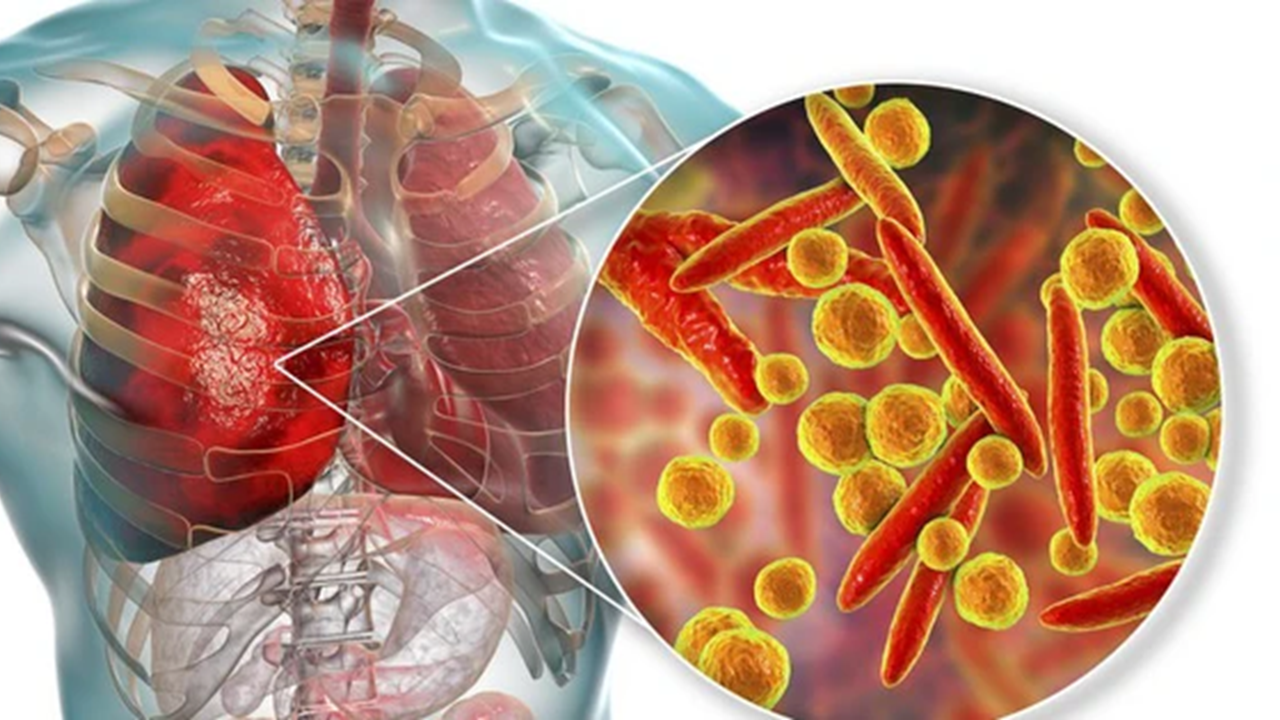
Mycoplasma pneumoniae is best known as an atypical respiratory pathogen, yet clinicians have long observed that its clinical footprint can extend beyond the lungs. A growing body of evidence suggests that the organism can localize to extra-respiratory sites—particularly environments enriched in lipids—raising questions about how a bacterium with a minimalist genome survives and adapts across tissues. Recent mechanistic work provides an important piece of the puzzle by identifying a dedicated cholesterol acquisition system centered on the bacterial protein P116.
Why cholesterol matters to M. pneumoniae
Unlike many bacteria, M. pneumoniae cannot synthesize several membrane lipids essential for membrane integrity and function—including cholesterol. This limitation forces the organism to depend on host-derived lipids to maintain its membrane architecture, remain viable, and persist under changing environmental conditions. Until now, the molecular “gate” enabling efficient lipid capture from the host has been incompletely understood.
P116: a high-efficiency lipid entry gate
The study highlights P116 as a highly efficient lipid uptake system capable of extracting cholesterol and other lipid species directly from the host. Experiments show that P116 can rapidly incorporate cholesterol from human lipoproteins, including LDL and HDL, and can also capture additional lipid classes such as phosphatidylcholines, sphingomyelins, and triacylglycerols. This broad substrate range is notable: rather than being a narrow transporter, P116 appears to function as a versatile portal through which the bacterium can opportunistically harvest multiple lipid species.
Mechanistically, this versatility helps explain how M. pneumoniae may adapt to different tissue microenvironments. By drawing membrane components directly from host sources, the organism can sustain its membrane in lipid-rich niches and potentially colonize sites where other bacteria—less capable of scavenging host lipids—would struggle to thrive. This provides a plausible biological rationale for extra-respiratory localization and may also offer clues to systemic inflammatory phenomena associated with infection.
Therapeutic relevance: blocking P116 reduces uptake, growth, and adhesion
A particularly actionable aspect of the findings is the demonstration that a monoclonal antibody directed against the C-terminal domain of P116 can markedly block cholesterol uptake. Because cholesterol acquisition is essential for M. pneumoniae survival, inhibition of P116 translates into slowed bacterial growth and reduced functional fitness.
The study also emphasizes the clinical relevance of limiting bacterial adhesion and persistence in lipid-rich lesions. The presence of M. pneumoniae in vulnerable atherosclerotic plaques has been proposed as a factor that could promote local inflammation and compromise lesion stability—an important consideration because unstable plaques are more prone to rupture and precipitate cardiovascular events. While these implications remain hypothesis-generating, P116 blockade offers a clear, mechanistically anchored strategy: disrupt the organism’s ability to access host cholesterol, thereby impairing growth and potentially limiting colonization of lipid-laden tissues.
Beyond antimicrobials: an engineered biotechnological tool
In a forward-looking extension, the researchers report using a modified, harmless form of the bacterium as a biotechnological tool to study biodistribution. This engineered strain preserves the organism’s natural tendency to localize to lipid-rich tissues but has been adapted to avoid causing disease. In hypercholesterolemic mouse models, the modified bacterium selectively accumulated in the liver and in atherosclerotic plaques, suggesting potential future applications as a vehicle for targeted delivery of therapeutic molecules or diagnostic agents.
This study aligns with an emerging biotechnology frontier: leveraging engineered living microorganisms as “precision” delivery systems. M. pneumoniae—with its minimal metabolism and strong dependence on host lipids—may be particularly amenable to controlled engineering, provided safety, clearance, and immunogenicity challenges can be addressed.
Source
- NewsMedical Life Science – Access January 2026
- https://doi.org/10.1038/s41467-025-66129-5