New US Dietary Guidelines 2025–2030 Emphasize Protein, Whole-Fat Dairy, and “Real Food”
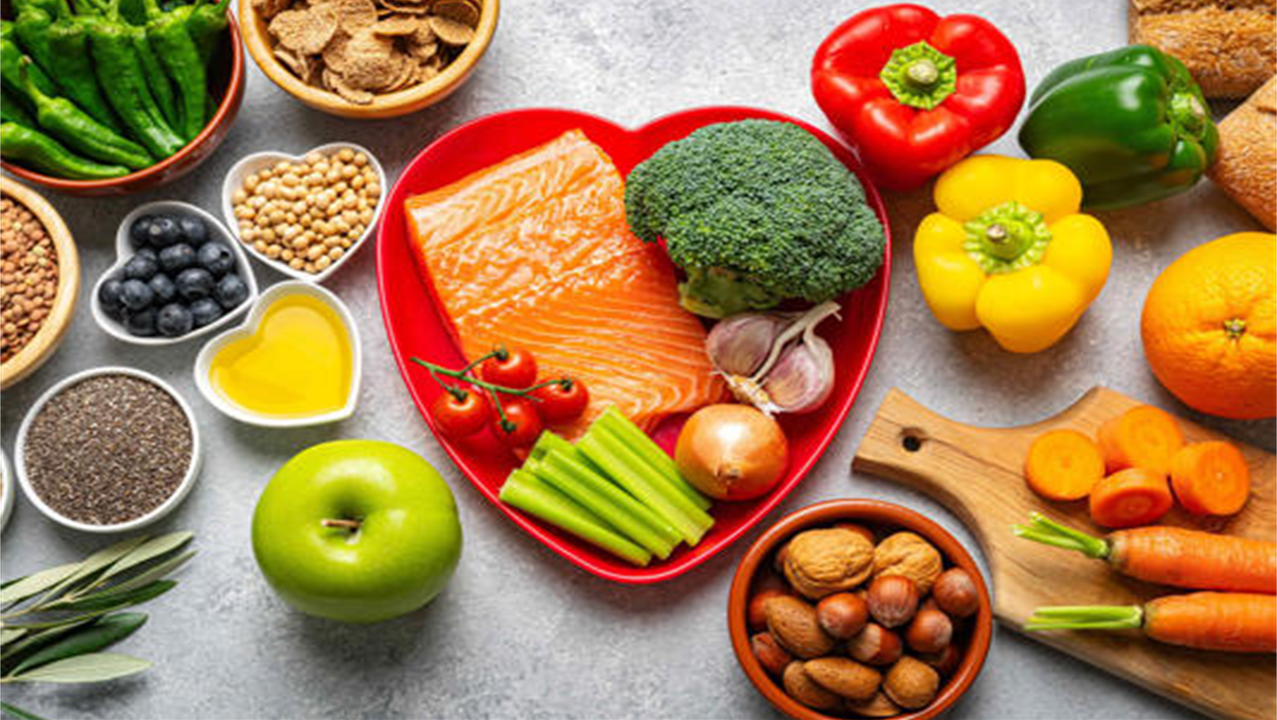
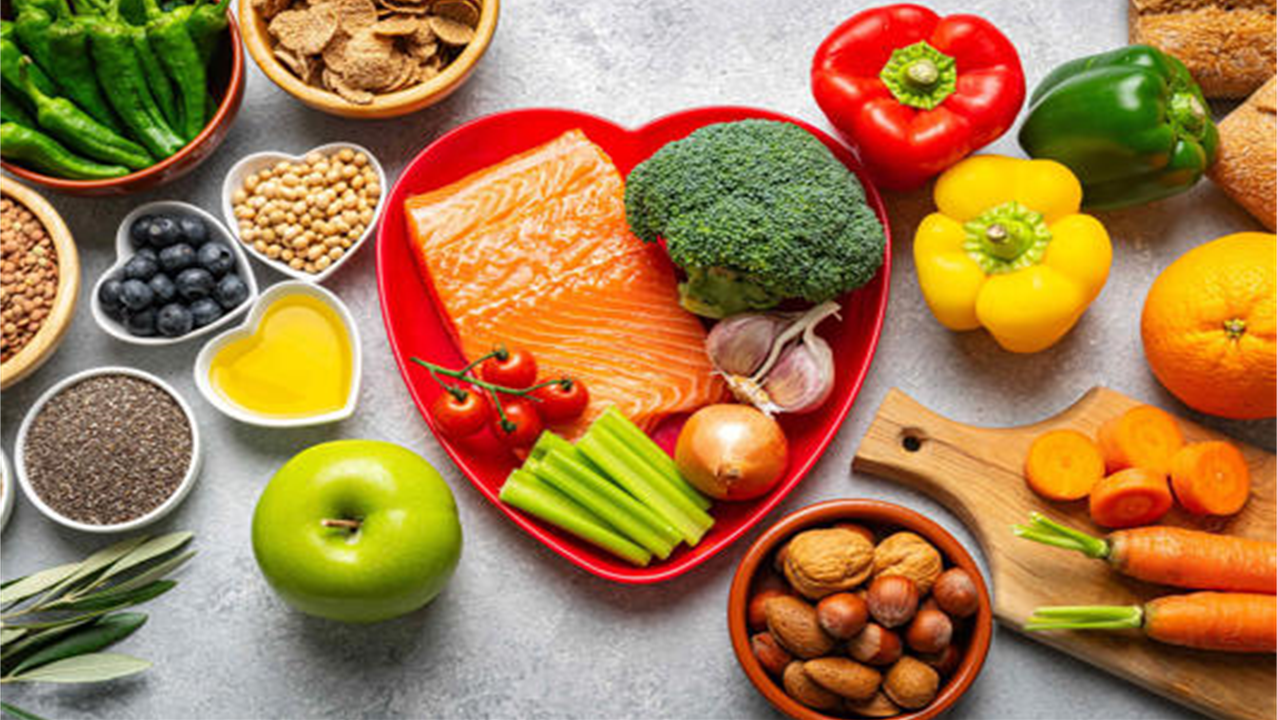
The US federal government has released the 2025–2030 Dietary Guidelines for Americans, introducing a major shift in national nutrition advice. The new guidelines place protein-rich foods — especially meat and whole-fat dairy — at the top of an “upside-down” food pyramid, alongside fruits and vegetables, and promote the consumption of “real food.”
Unveiled at a White House briefing on January 7, the updated guidelines have been dramatically shortened to 10 pages, compared with 164 pages in the previous edition.
Key Messages From Health Officials
US Health and Human Services Secretary Robert F. Kennedy Jr. stated that protein and healthy fats were unfairly discouraged in earlier guidelines, declaring an end to what he called “the war on saturated fats.”
FDA Commissioner Marty Makary, MD, criticized previous dietary advice for focusing on limiting saturated fat while overlooking the harms of refined carbohydrates, added sugars, and ultra-processed foods.
Despite the shift in tone, the guideline recommendation to limit saturated fat intake to less than 10% of daily calories remains unchanged, even though the government’s own scientific review found no clear evidence linking this threshold to reduced cardiovascular disease or mortality.
Other Key Recommendations
-
Avoid ultra-processed foods and added sugars
-
Limit sodium intake to <2300 mg/day
-
Reduce alcohol consumption (replacing previous daily limits)
Officials emphasized that the guidelines aim to reduce chronic diseases such as insulin resistance and systemic inflammation, potentially lowering healthcare costs.
Controversy Over Development Process
The new guidelines diverge sharply from the 2025 Scientific Report, which had recommended a stronger focus on plant-based diets. Kennedy dismissed that report as “corrupt” and replaced the advisory group. Critics note that many members of the new panel have ties to the beef, dairy, and supplement industries.
Medical Community Reactions
-
American Medical Association (AMA) and American Academy of Pediatrics (AAP) welcomed the focus on reducing ultra-processed foods, added sugars, and sodium, and emphasized that “food is medicine.”
-
The American Heart Association (AHA) expressed concern about the increased emphasis on red meat and saturated fat, warning these remain major drivers of cardiovascular disease.
-
The American College of Cardiology (ACC) supported the emphasis on whole foods but urged caution regarding high-fat animal products.
Until more evidence is available, cardiovascular societies continue to recommend plant-based proteins, seafood, and lean meats, while limiting red meat, butter, and other high-fat animal products.
Source: New Dietary Guidelines: Eat More Meat and Whole-Fat Dairy — Medscape, January 8, 2026