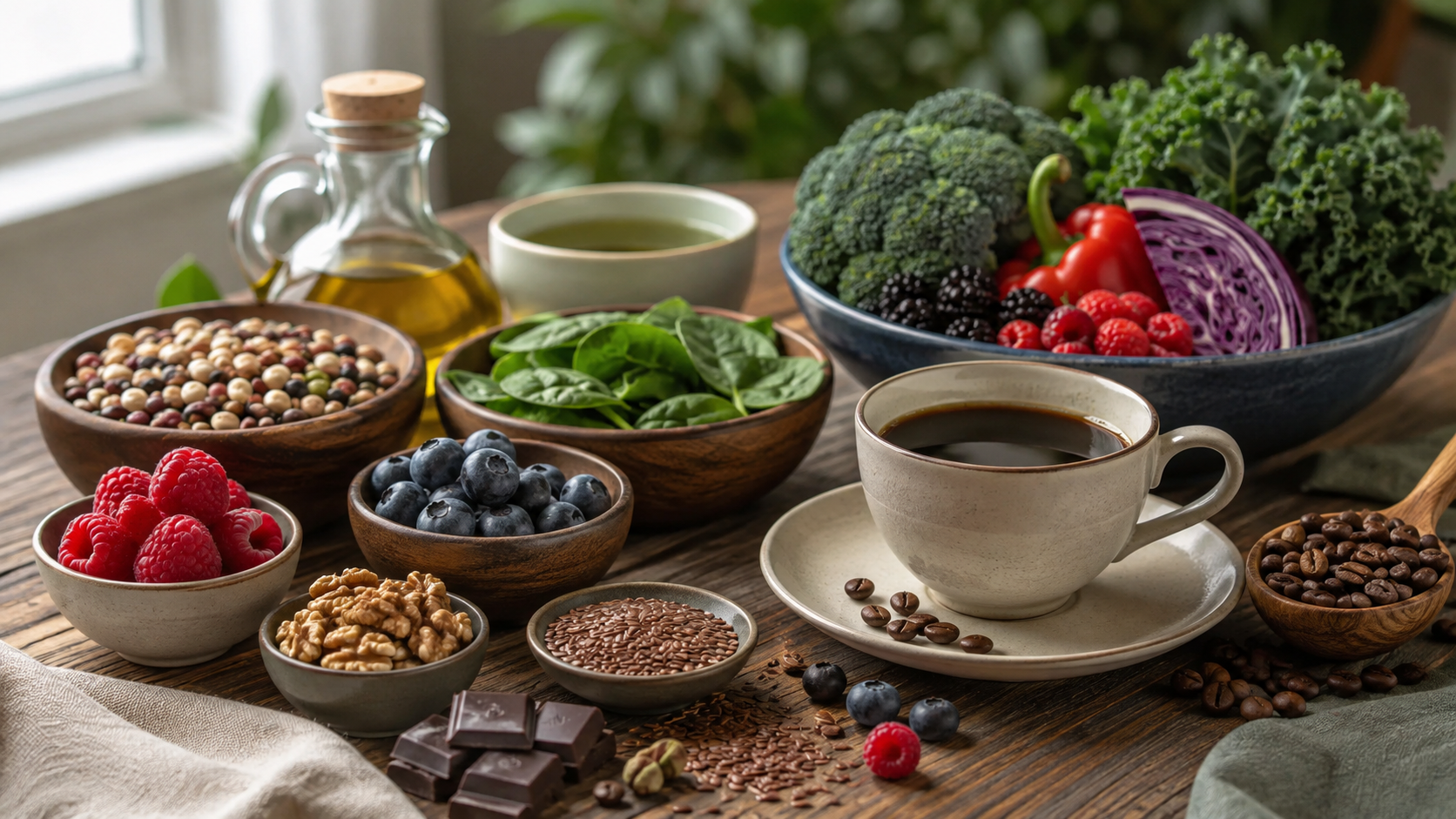
New research suggests that higher intake of polyphenols — with coffee as a major dietary source — may be associated with lower breast cancer mortality and recurrence
What did the study find?
Breast cancer remains the most common cancer among women worldwide, and around 694,000 women died from the disease in 2024. While medical treatment remains essential, researchers are increasingly studying whether lifestyle and dietary factors may also influence long-term outcomes after a breast cancer diagnosis. A recent study published in the British Journal of Nutrition followed 95 women with breast cancer for an average of 11.5 years and assessed their intake of polyphenols, a broad group of naturally occurring plant compounds known for their antioxidant properties.
Polyphenols, coffee and breast cancer outcomes
The researchers found that women with a higher intake of total polyphenols, particularly phenolic acids and lignans, had a lower risk of breast cancer-specific mortality. A greater intake of phenolic acids was also associated with a lower risk of breast cancer recurrence, while higher total polyphenol intake was linked with longer survival when breast cancer-related mortality was considered. Interestingly, coffee was the major dietary contributor to total polyphenols, phenolic acids and lignans among the study participants. Polyphenols may influence several biological processes relevant to cancer, including oxidative stress, chronic inflammation, insulin sensitivity, immune signaling, angiogenesis and cellular communication.
Promising findings, but not proof that coffee prevents recurrence
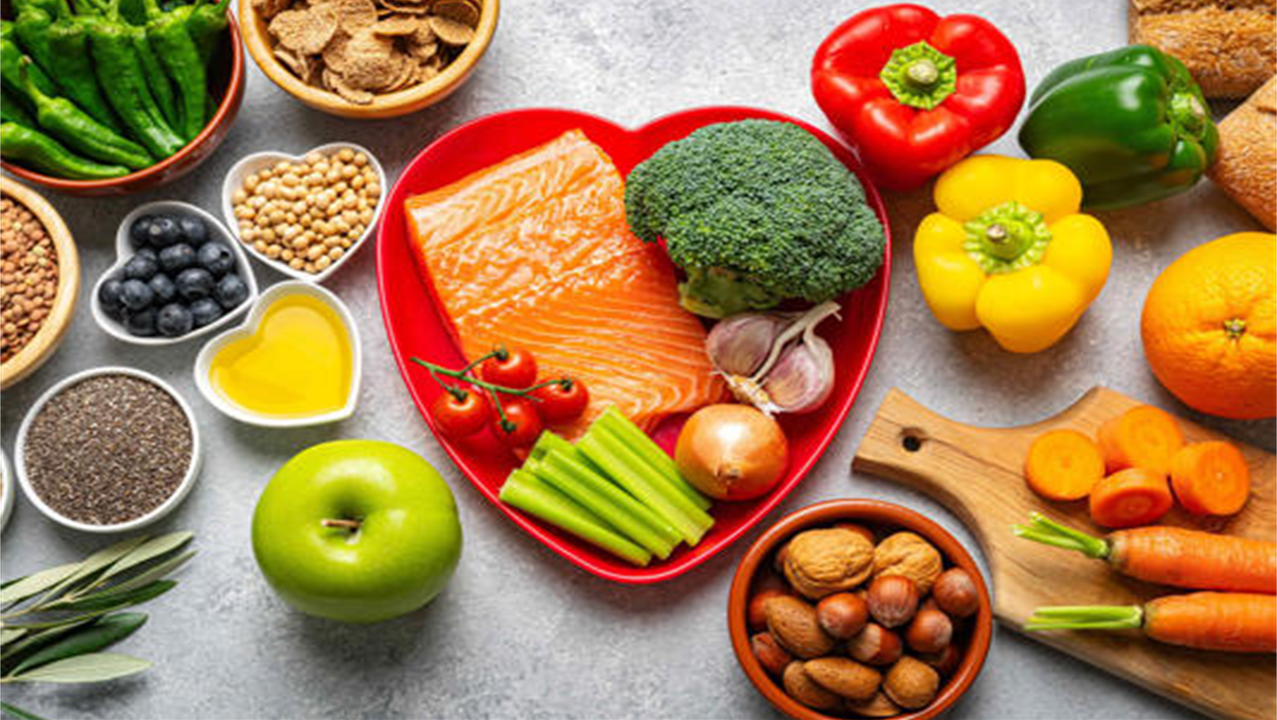
Despite the encouraging results, the researchers and experts emphasize that the study was small and observational. This means it can identify an association, but it cannot prove that drinking coffee or increasing polyphenol intake directly prevents breast cancer recurrence or reduces mortality. The findings therefore should not be interpreted as a recommendation to drink large amounts of coffee or take concentrated polyphenol supplements. Instead, a practical approach is to obtain polyphenols through a varied diet that includes berries, dark leafy vegetables, legumes, nuts, seeds, tea, coffee, extra virgin olive oil and spices, alongside appropriate cancer treatment and healthy lifestyle habits.
Source:
Medicalnews