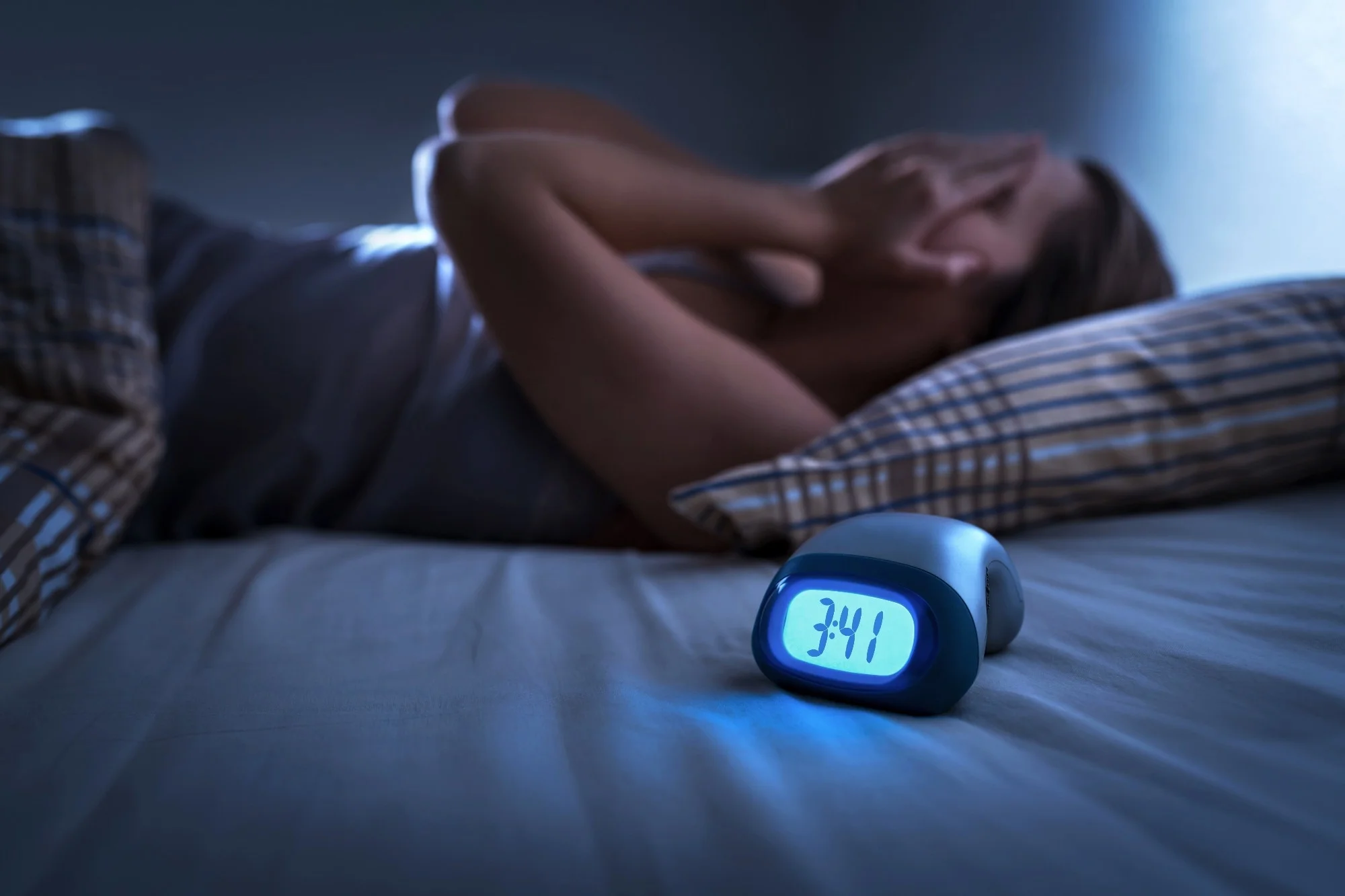
Sleep health is not only about how long we sleep. Growing evidence suggests that when we sleep-and how consistently we follow our sleep schedule-may also matter for mental wellbeing.
Sleep duration has long been a central focus of sleep research. However, maintaining a consistent sleep–wake schedule may represent another important dimension of healthy sleep.
Sleep duration
How much time a person spends sleeping each night.
Sleep regularity
How consistently sleep and wake times follow a similar pattern across days.
Researchers examined sleep patterns using longitudinal sleep-tracking data and assessed their relationship with mental health symptom severity.
What does the SRI measure?
The Sleep Regularity Index quantifies the likelihood that a person is in the same sleep or wake state at corresponding times on consecutive days. Higher scores indicate more regular sleep patterns.
Lower sleep regularity scores were associated with greater depression and anxiety symptom severity in the study population.
Interpretation: Lower SRI values were observed among participants with greater symptom severity. These findings indicate an association, rather than establishing that irregular sleep directly causes depression or anxiety.
Irregular sleep schedules may coincide with disruptions in daily behavioral and biological rhythms.
☀️ Light exposure
Sleep timing influences exposure to natural light, an important environmental cue for circadian rhythm regulation.
🍽️ Meal timing
Eating patterns may shift alongside sleep schedules, potentially affecting daily metabolic rhythms.
🏃 Physical activity
Inconsistent sleep schedules may coincide with changes in activity patterns and daytime routines.
🤝 Social interaction
Sleep timing can influence participation in social activities and regular daily interactions.
Although sleep regularity is not a diagnostic marker for mental health conditions, it represents a practical behavioral dimension that can be discussed during routine health assessments.
Practical considerations
Beyond sleep duration
Sleep health may benefit from a broader perspective that considers not only how long people sleep, but also how consistently they maintain their sleep–wake schedules.
1. News Medical. Irregular sleep schedules linked to increased anxiety and depression. November 12, 2026.
Read the original article ↗
2. Scientific Reports. Original research on sleep regularity and mental health outcomes. Refer to the original publication for study methodology and detailed results.